Career ArcMcCann Worldgroup → VaynerMedia → Carmichael Lynch → Fast Horse → Allen & Gerritsen → Braze
CategoriesMedia & Entertainment / Gaming / Sports / QSR / Retail / Financial Services / CPG / Auto / Tech
EducationFordham University · BS Business Administration · Marketing + Communications
The Short Version
For the past 15 years, I keep ending up in rooms where the strategy function doesn't exist yet. The throughline: I build things. Practices, teams, brands, narratives, activations. Usually from scratch, usually with a small team, usually with results that outpace the resources.
Immigrant Filipino-American, based in Boston. I think about brands the way I think about culture: what do people actually care about, what are they paying attention to, and how do you earn the right to be part of that conversation?
Outside of work, I'm a sports fan (Liverpool FC over everything), a photographer shooting on an Olympus PEN E-PL10, a frequent Delta flyer who tracks Medallion status too closely, and someone who thinks deeply about food, music, community, and what makes places feel alive.
15+
Years in the game
5
Global Regions
6
Agencies + Brands
00000
Insights & Ideas
McCann Worldgroup'11Strategist
VaynerMedia'13Sr. Strategist
Carmichael Lynch'16Sr. Strategist
Fast Horse'19Strategy Director
Allen & Gerritsen'20VP Strategy
Braze'22NOWLead Creative Strategist
02
SELECTED WORK
Innovation Practice Built From Scratch2022 - Now
Braze 427° Innovation Lab
Braze had a world-class product but was seen as a tech vendor, not a strategic partner. No creative capability existed to help enterprise customers see what was possible with the platform.
Hired as the founding strategist, I built the practice from the ground up: service model, frameworks, client offerings, go-to-market narratives. Early win: pitched and led the strategic concept behind Peacock's year-in-review campaign.
The practice now influences significant enterprise revenue across five global regions with consistent double-digit revenue growth YoY. What started as a proof of concept became a competitive advantage Braze sells against.
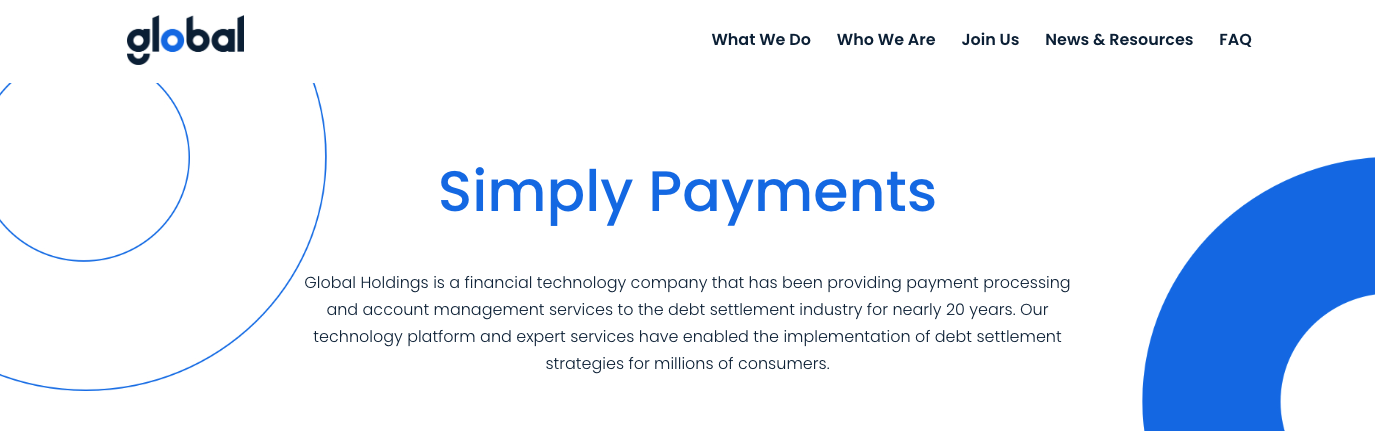
Processed payments for millions of consumers, but no one understood their role. Consumers blamed them for problems they didn't cause. The entire category said the same thing.
Sole strategist, six months. C-suite workshops, competitive audit, audience strategy across four stakeholder groups, positioning, values, voice, manifesto, visual identity. Found the white space: every competitor answered "what" and "how" but none answered "why."
Relaunched as a modern fintech brand. New name, identity system, positioning, website. The brand values and mission became leadership cornerstones.
IDENTITY
BEFORE
→
AFTER
WEBSITE
BEFORE
→
AFTER
"
"Somehow you made our rebrand strategy an education. I learned more about marketing from you than anyone else in my career."
CEO, Global Holdings
New Product Launch2019
Heineken 0.0
Heineken launching its first NA beer in the U.S. Fast Horse was the PR agency. The integrated brief was held by their AOR. No expectation we'd compete.
Pitched competing for the integrated brief. Won. The concept: own Dry January with the January Dry Pack, a 31-pack advent calendar that doubled as a media kit.
Packs sold out in hours. Expanded the agency from PR to integrated creative lead.
775MImpressions
80%Share of Voice
18%Sales Lift MoM
Watch the Case Study
Case Study — January Dry Pack
Brand Experiential2022 - Now
Braze Forge
Forge is Braze's highest-visibility moment. The practice needed physical proof that creativity is a platform differentiator.
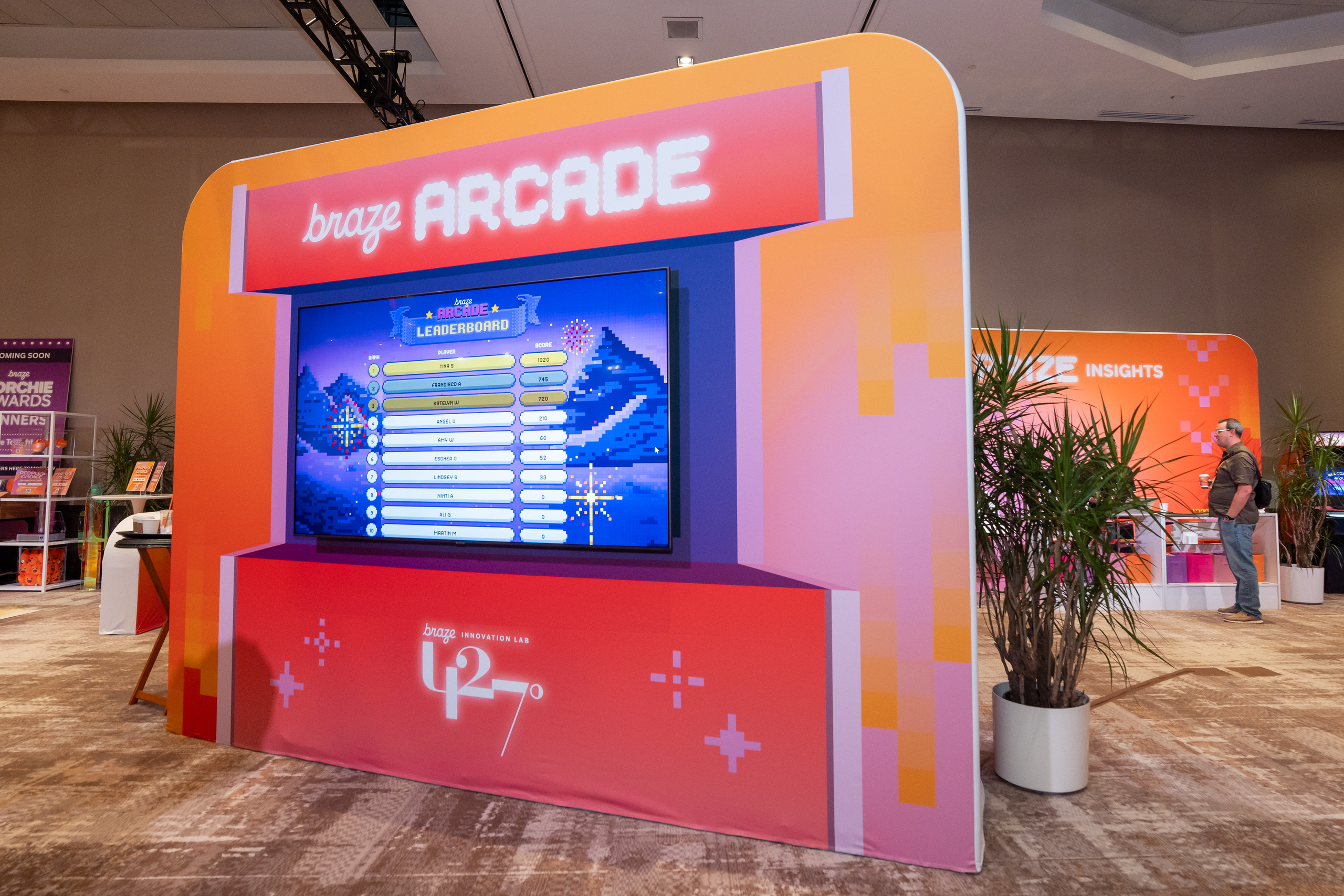
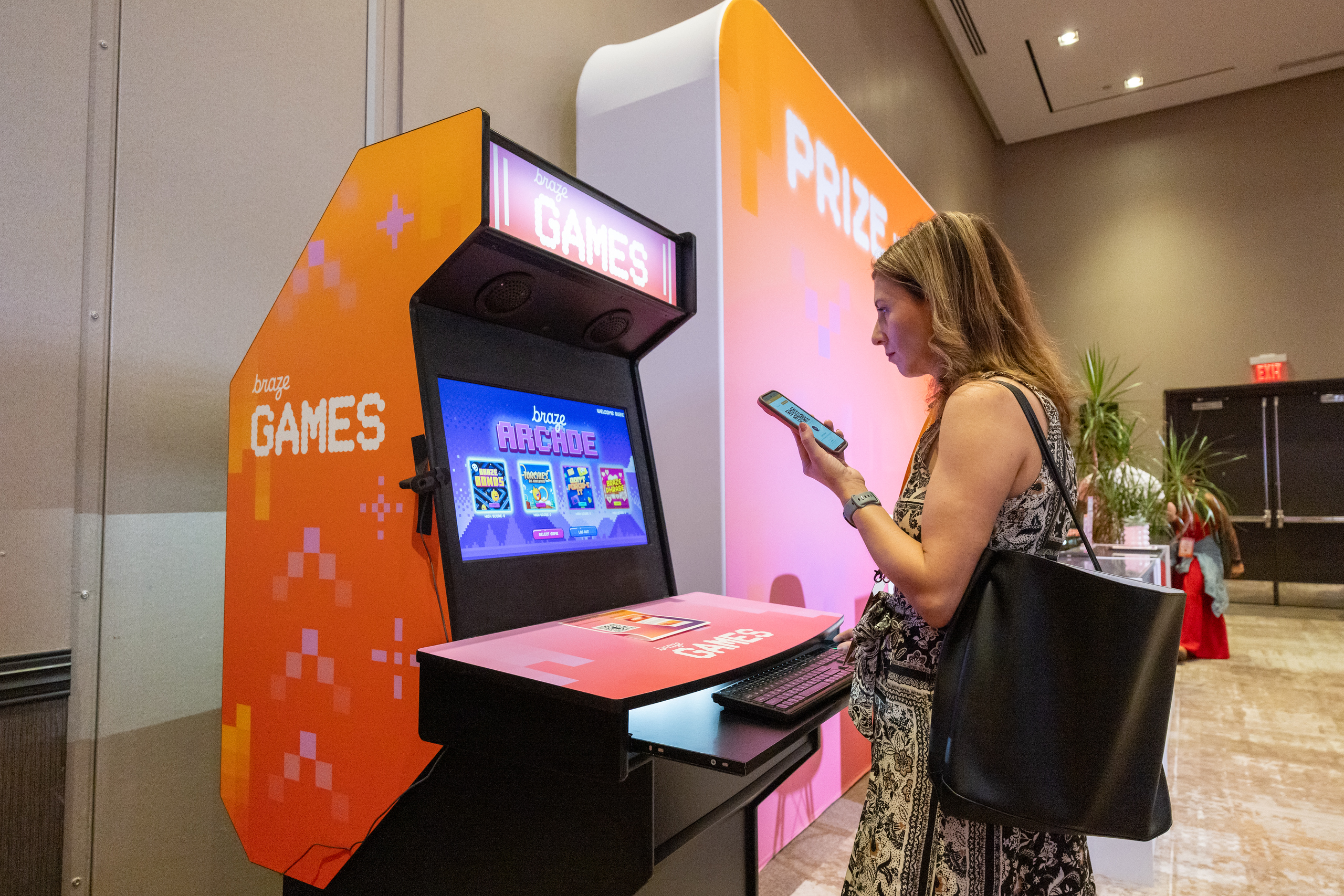
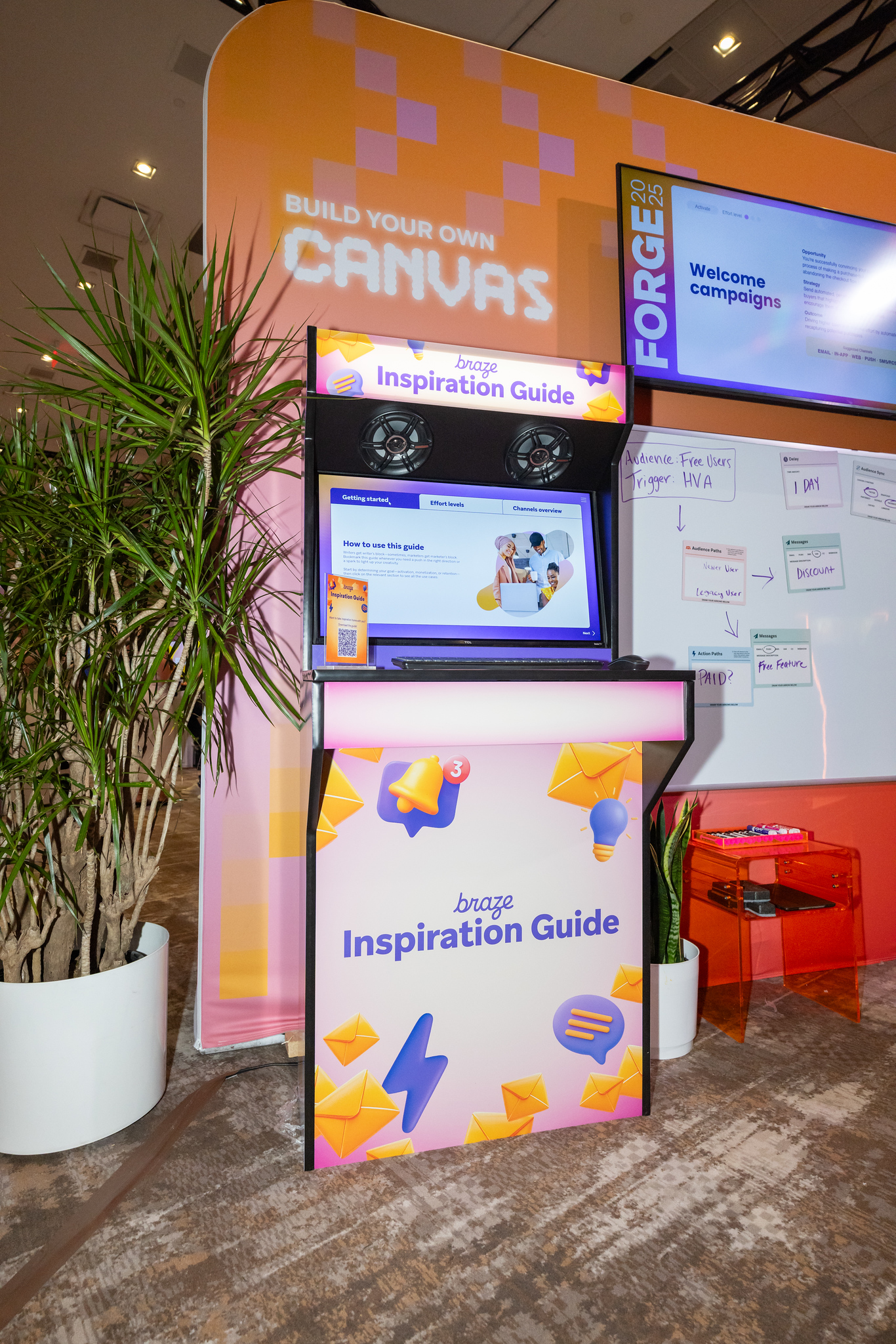
Four consecutive years. 2022: whiteboard. 2023: tap-to-download showcase wall. 2024: "A Journey Through the Canvas," interactive walkthrough. 2025: the Braze Arcade, four custom games built on the platform.
The Arcade: hundreds of unique players across a three-day leaderboard competition. Whiteboard to full arcade in four years.
(led end-to-end including strategy, concepting, production, and build)
▶
▶
▶
Braze Forge — 2023–2025 Activations — click to expand
Pilot Strategy Function2013-2015
VaynerMedia
Rapid growth as a social shop. No strategy function. Thinking scattered across account teams, inconsistent, limited.
Hired as an AE. Spotted the gap in two weeks. Built the case with a Consumer Insights director. Won pitches to prove the model. Own department within six months.
2 to 15 people. PepsiCo and Anheuser-Busch from social to full-service. GE, Toyota, Dove, Nickelodeon through new wins the agency couldn't have landed before.
Selected Clients by Region
AMER: GE / NBA / Call of Duty / Subaru / NBCU / Papa Johns / Verizon
EMEA: ITV / Paddy Power / DeliveryHero / Supercell
Why Every Practice I've Built Started the Same Way
There's a version of this story I've lived four times now. Different company, different city, different category. Same opening scene.
I walk in and the strategy is fine. Smart people are making smart decisions. Account leads are thinking critically about their clients. Product teams have a point of view. Nobody is failing. But nobody has a strategist, and the gap shows up in places that are hard to name until you've seen the pattern enough times.
The pitch deck is 80% right but doesn't land the way it should. The client relationship is solid but stays transactional. The team wins work within their current remit but can't expand it. Everyone is being strategic, but nobody is doing strategy.
That distinction matters more than most organizations realize. Being strategic is a capability. Doing strategy is a specialization. The difference is the same as the difference between a founder who can sell and a sales team that can scale. One is instinct. The other is infrastructure.
I've seen this at McCann, where I transitioned from account management into a strategy practice that was still finding its shape. At VaynerMedia, where I was hired as an account executive and within two weeks realized the agency had no dedicated strategy function at all, just talented people doing their best to fill the gap between social content and brand thinking. At Fast Horse, where the capability existed in pockets but needed a more modern planning approach to match the work the agency wanted to be doing. And at Braze, where I was brought in to build a creative strategy practice from scratch inside a SaaS company that had never had one.
The pattern is always the same. Strategic thinking is distributed across people whose actual jobs are something else entirely. They're account leads, product marketers, solutions consultants. They're doing strategy on top of their real responsibilities, which means it gets the time and energy that's left over after everything else is done. In a slow week, the strategy is pretty good. In a busy quarter, it evaporates.
The other thing that's consistent: resistance. Not malicious resistance, but the friction that comes from trying to formalize something people believe they're already doing. If everyone thinks they're strategic (and they often are), the natural question is: why do we need a strategist?
The answer only becomes clear in practice. It's hard to argue for in theory.
So everywhere I've built, the playbook has been the same. Don't ask for permission to build the function. Ask for a chance to prove the value. Find a small pitch, an underserved client, a brief that nobody else wants. Put a strategist's touch on it and show what changes. At Vayner, my co-conspirator and I started building our case as a side project, winning small pitches that nobody expected us to compete for. Within six months we were a department. At Fast Horse, we used new business pitches as proof of concept, eventually winning work that expanded the agency's remit from PR to integrated lead. At Braze, I was the only full-time strategist on the team for the first stretch, proving that creative strategy could influence enterprise revenue before the company invested in scaling the practice.
The shift from skepticism to buy-in always happens the same way. Leadership sees that the strategy function can open doors to rooms they weren't in before. A CMO meeting that wouldn't have happened. A pitch that wouldn't have been competitive. An existing client who expands their investment because the conversation moved from implementation to imagination. Once they see that a dedicated strategist can expand capabilities, deepen relationships, and differentiate the company in a competitive pitch, the switch flips fast.
But getting from zero to one is always the hardest part. Not because the value is hard to demonstrate, but because the definition of "strategy" is so inconsistent that everyone in the room thinks they're already doing it. Part of the job, in every single build, is aligning people on what strategy actually is as a practice before you can show them what it does.
I've now spent 15 years doing this across agencies, consultancies, and SaaS. I keep ending up in the same room. The scenery changes but the pattern holds: an organization with smart people, strong work, and a missing function that nobody realizes is missing until someone builds it.
I'm the person who builds it.
Rant
What Brands Get Wrong About "Culture"
A retailer comments "yas kween" on a TikTok. A bank posts a meme during the Super Bowl. A CPG brand drops a limited edition product tied to whatever micro-trend is cycling through the internet that week.
None of this is culture work. All of it is visibility work dressed up as relevance.
The mistake most brands make is conflating presence with participation. Being in the comments, posting on trending audio, referencing whatever everyone is referencing that day. It reads as engagement. It feels like the brand is "part of the conversation." But audiences have become deeply skilled at distinguishing between a brand that belongs in a space and a brand that's trying to be seen in one. The former earns attention. The latter earns a screenshot and a quote tweet.
The reason this keeps happening is that most brand teams start from the wrong question. They ask: "What's happening in culture that we can attach ourselves to?" The better question: "What role does our brand actually play in people's lives, and how do we fulfill that role so well that culture comes to us?"
That starts with an honest audit. Not a brand perception study filled with leading questions, but a real look at how people use your product, what they associate with your name, and whether any of that lines up with the story you're trying to tell. If your brand positioning says "adventure" but your customers use your product on their couch, you have a gap. And no amount of influencer spend is going to close it.
The brands that do this well understand something that most don't: your job is to bring your audience more of what they already want. If you sponsor an event, did that event become better because of your involvement? If you partner with a creator, did they get to make something they couldn't have made without you? If you show up in a cultural moment, did you add value to it or just attach your logo?
This is where creator partnerships go wrong most often. The standard model is a brand integration that amounts to a scripted ad read in the middle of someone's content. The creator pauses their natural flow, reads copy that sounds nothing like them, and the audience fast-forwards. Everyone involved knows this is what happens. The brand gets an impression number on a report. The creator gets a check. The audience gets nothing.
Compare that to a brand that funds a special episode, hosts a live event, or enables a piece of content that wouldn't exist without their support. The audience's experience is: "this brand made something I love possible." That positive association is worth more than a thousand mid-roll reads, because it's earned through contribution, not interruption.
The principle underneath all of this is straightforward. Your brand has a role. Play that role better than anyone else. If you're a sports brand, make the game-day experience better. If you're a food brand, help people eat in ways that surprise them. If you're a financial brand, help people feel more in control of their money. Do that with consistency and conviction, and the cultural relevance follows. People talk about brands that are useful, generous, and true to what they actually do.
When I build strategy for a client, this is where I start. What do people actually see when they see you? Is it what you want them to see? Where is the alignment and where is the gap? And once we know the role, how do we play it in a way that earns us the right to be in the rooms we want to be in?
Culture is something you earn your way into by being valuable to the people who make it.